
AI
If AI saves an hour, who should get it?
When AI makes work faster, who should benefit: the worker, the company or the customer? A practical look at sharing the gains fairly.
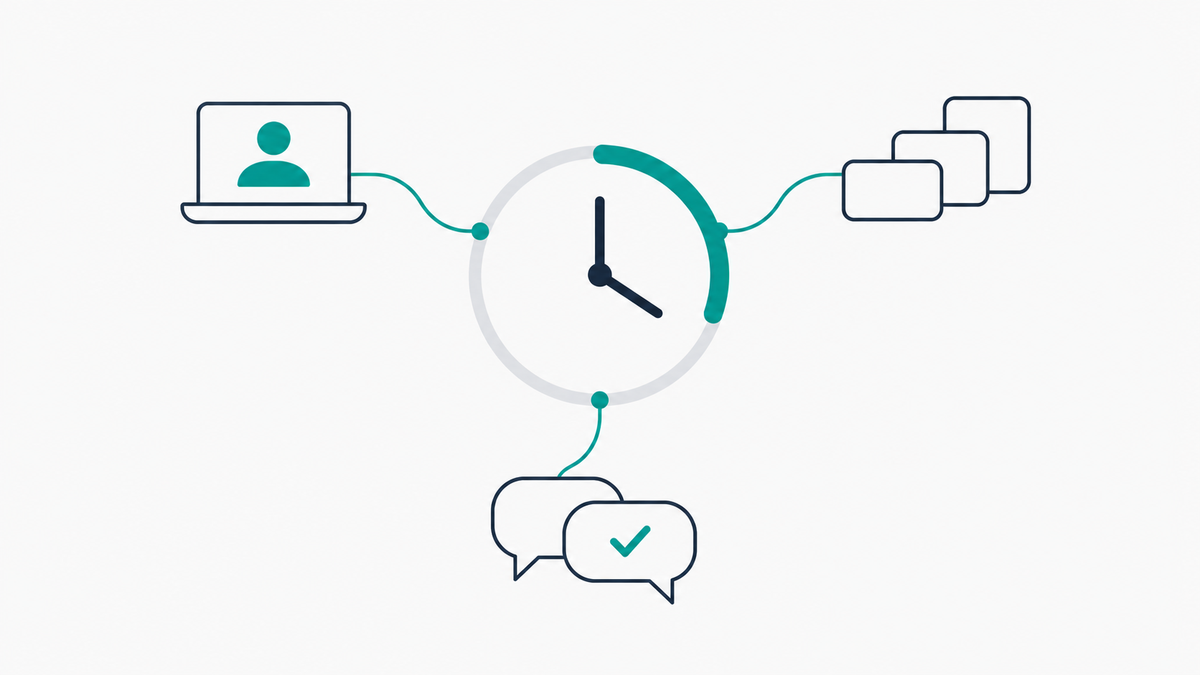
Imagine an employee pays for an AI subscription, learns to use it and cuts a two-hour task to one, including checking the result.
The employee sees breathing space. Their manager sees capacity for another task. The customer wonders whether the bill should fall.
One hour saved. Three reasonable claims.
The worker: should initiative mean more work?
The subscription is only part of the investment. Their experience, experimentation and judgement make the tool useful.
My view is that becoming more efficient should bring some improvement in working life: less pressure, development time, recognition or better pay.
If the reward is always a bigger workload, why would someone share what they have learned?
The company: expecting a return is reasonable
Employers pay salaries, provide infrastructure and remain accountable for delivery. They have a reasonable interest in productivity gains.
But expecting AI use should come with investment in suitable tools and training. Employees should not have to fund the company's productivity strategy.
Increasing expectations deserves a conversation about what is achievable while maintaining quality.
The customer: where is my share?
Customers can reasonably expect better value. That might mean lower prices, faster delivery, more support or better work.
Where fees are based on hours, billing should reflect time actually worked. With an agreed fixed price, expertise, quality and accountability still matter.
Faster delivery does not erase professional value. Equally, a business should be able to explain how its efficiencies benefit customers.
More output is only one possible benefit
In one study published in 2025, AI support increased customer service issues resolved per hour by 15% on average. Results varied by worker experience.
That is evidence from a particular setting, rather than a universal target.
For a charity, less administration could mean supporting more people, spending longer with each person, or helping an overstretched team finish on time. All three can be worthwhile.
Measure the gain after checking, corrections and rework.
Decide where the gains should go
A fair arrangement needs deliberate choices. Employers should fund expected tools and learning. Workers should help shape how capacity is used and receive a meaningful benefit. Customers and service users should experience better value.
The balance will differ between organisations. These benefits can also reinforce each other: less pressured staff can provide better service.
Before raising targets, discuss what has improved, who contributed and how the benefit will be shared.
If AI saves an hour, who gets it? That decision says a great deal about the organisation making it.
Written by
Michael Skinner
Michael helps charities choose, connect and improve the technology they rely on, with particular experience across CRM, integrations, Salesforce and practical AI.